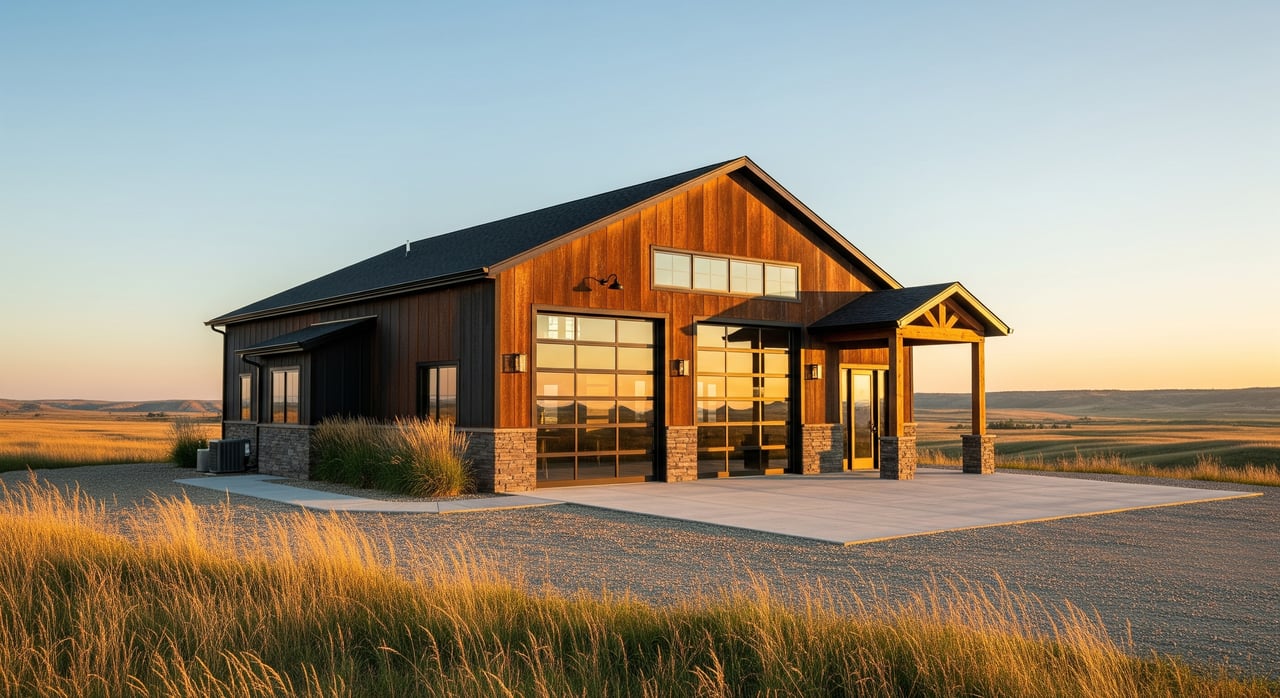
Dreaming about a heated shop for projects, gear, or business equipment near Mandan? You’re not alone. Many buyers want extra space, but the rules can be confusing and vary by location and covenants. In this guide, you’ll learn where shops are commonly allowed, what limits to expect, and how to verify the details before you buy. Let’s dive in.
Know who sets the rules
Mandan city limits
If the property sits inside Mandan city limits, the city’s planning, zoning, and building departments control what you can build. Accessory buildings are typically allowed, but size, height, and placement are limited and usually must sit behind the primary home. Subdivisions inside the city can also have recorded covenants that add design standards on top of city code.
Morton County parcels
Outside city limits in unincorporated Morton County, county zoning applies. Many rural properties are zoned Agricultural or Rural Residential, which often allow larger shops with more placement flexibility. Commercial activity may need a conditional use permit, even on agricultural land.
Private covenants and HOAs
Many newer acreage areas and traditional subdivisions use recorded covenants or an Architectural Review Committee. These can limit exterior materials, colors, size, or business use. You must comply with both zoning and any covenants that run with the land.
State and federal overlays
North Dakota’s adopted building codes and FEMA floodplain rules apply where relevant. If a parcel lies in a mapped floodplain or contains wetlands, you may need elevation measures or special permits regardless of local zoning.
Where shops are allowed near Mandan
Agricultural parcels
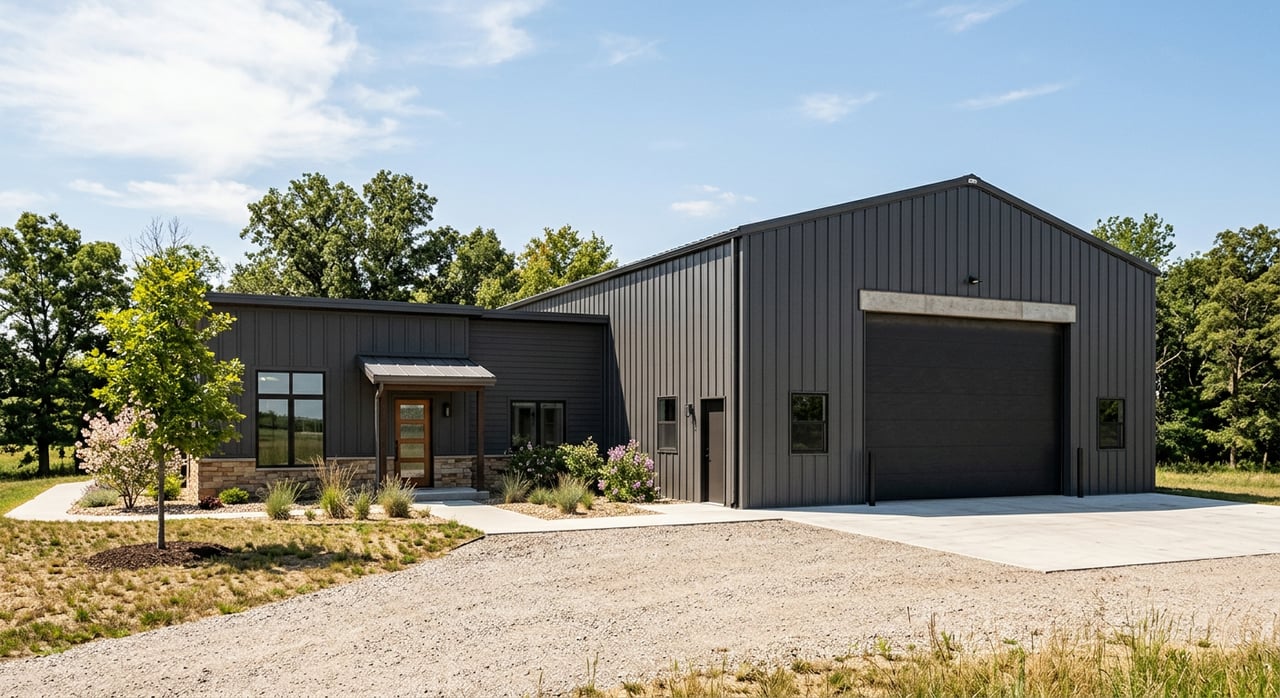
On county ag or farm/ranch land, accessory shops are commonly allowed and can be large. Use limits still apply, and some business activities may require a conditional use permit.
Rural residential acreage
In most 1 to 20 acre subdivisions, detached shops are typical. Size and placement depend on setbacks, and covenants often require materials or colors that match the home.
City residential lots
Accessory buildings such as garages or hobby shops are usually allowed on city lots, but height, footprint, placement, and lot coverage rules are stricter than on acreage.
Commercial and industrial lots
These parcels obviously allow shop-style buildings oriented to business uses. If you want a hobbyist shop with occasional business activity, confirm employee, parking, and customer limits.
Platted lots with restrictions
Some developments permit shops only if they meet recorded covenants. Common clauses restrict visible metal siding, set maximum square footage, or require the building to sit behind the home’s front plane.
Typical limits to expect
Permits and thresholds
- Building permits are commonly required above small size thresholds. Many places trigger permits at around 100 to 200 square feet.
- Separate permits are usually required for electrical, plumbing, or mechanical work.
- Zoning approvals may be needed if you plan to run a business, add living quarters, or exceed accessory size or height limits.
Setbacks and placement
- Front setbacks in the city often match the home’s front setback. In the county, front setbacks commonly range from about 20 to 50 feet.
- Side and rear setbacks often fall between 5 and 25 feet depending on the zone.
- Keep all structures clear of utility and drainage easements.
Height and footprint
- Accessory building height in residential areas commonly ranges from about 12 to 25 feet. Agricultural and industrial zones can allow more.
- Footprint limits vary. Some codes cap square footage; others limit total lot coverage or tie accessory size to the home.
Lot coverage and hard surfaces
- Inside the city, total coverage by buildings and hard surfaces is often limited.
- In rural areas, coverage limits are often minimal or not present.
Use restrictions
- Home occupations are usually allowed only at a small scale with limits on employees, customer traffic, signage, noise, and outdoor storage.
- Living quarters or ADUs inside shops can be prohibited or require separate approvals and sanitation compliance.
Utilities, septic, and wells
- Adding a restroom or employees can trigger septic upgrades or commercial septic requirements. County health rules and North Dakota DEQ standards apply.
- Observe well and septic setbacks and verify capacity for your intended use.
- Electrical upgrades and subpanels are common for powered shops and require permits.
Floodplain, wetlands, and soils
- Properties near the Missouri River or creeks may be in FEMA floodplains. Building there often requires floodplain permits, elevation steps, and may affect insurance.
- Wetlands and drainage easements can shrink your buildable area or require mitigation.
Building code and loads
- North Dakota uses adopted versions of the International Residential Code and International Building Code with local amendments.
- Design for regional wind and snow loads. This is especially important for lightweight metal buildings.
Common shop sizes and finishes
Typical footprints
- Small hobby garage: 20x20 to 24x24 (about 400 to 576 sq ft)
- Two-car with workspace: 24x30 to 30x40 (about 720 to 1,200 sq ft)
- Large hobby or small business: 40x60 (about 2,400 sq ft)
- Ag-scale buildings: 2,500 to 10,000+ sq ft on farm parcels
Clear heights and doors
- Hobby shops often have 10 to 12 feet of clear interior height.
- For RVs or heavy equipment, plan on 14 to 16 feet and doors 12 to 14 feet high and 12 to 16 feet wide.
Foundations and floors
- Concrete slab-on-grade is standard for finished shops. Gravel pads can work for lean-tos or simple storage.
- Slab thickness and reinforcement depend on equipment loads and frost depth.
Insulation and HVAC
- Unheated shops are fine for storage and seasonal work.
- For year-round use, insulate to local energy code and plan a reliable heat source like radiant, forced air, or a mini-split.
Electrical, lighting, and plumbing
- Expect 60 to 200 amp service depending on equipment. Dedicated circuits for welders, compressors, and HVAC are common.
- LED high-bay lighting and ample outlets make a big difference.
- A utility sink is a simple upgrade. Full restrooms require plumbing permits and may affect septic design.
Fire and safety
- Fire separation from the home, proper egress, and detection may apply depending on size and use.
Exterior details
- Many buyers prefer exteriors that visually match the home with compatible siding, trim, gutters, and a concrete apron.
Buyer checklist before you offer
- Confirm jurisdiction and zoning. Identify whether the parcel is inside Mandan or in unincorporated Morton County, and note the zoning district.
- Pull recorded documents. Request the plat, any CC&Rs or deed restrictions, and check with the County Recorder or your title company.
- Review permit history. Ask for previous building permits and any approved variances or conditional uses on the property.
- Get a current survey or site map. Locate property lines, easements, and setbacks to define the buildable envelope.
- Check floodplain and drainage. Obtain a floodplain determination and look for drainage or wetland constraints.
- Verify septic and well details. If you want plumbing or plan to hire employees, confirm septic capacity, setbacks, and any needed upgrades.
- Call planning and building early. Request written confirmation on allowed accessory size, height, setbacks, and business rules.
- Assess access and logistics. Consider driveway width, turning radius for large doors, snow removal, grading, and neighbor proximity.
- Confirm utilities. Verify electric service size at the meter and fuel options for heat.
- If running a business, ask about licenses, conditional use permits, employee parking, and any road weight limits that affect deliveries.
Pitfalls and red flags
- Covenants that ban visible metal siding or cap square footage tighter than you expect.
- Parcels that cross into a FEMA floodplain or include wetlands that limit buildable area.
- Shared driveways or access easements without clear maintenance agreements.
- Undersized electrical service that cannot support tools or HVAC without costly upgrades.
- Existing unpermitted structures that could trigger enforcement or expensive retrofits.
- Zoning that does not allow the business activity you plan to run from the shop.
How we help in Mandan and Morton County
You want a shop that fits your lifestyle and passes local rules the first time. With local market experience and construction-savvy guidance, you can move forward with clarity. We help you identify the right lots, review covenants and recorded documents, and coordinate due diligence with city, county, and state contacts so your plan lines up with setbacks, permits, utilities, and budget.
If you are buying new construction or planning a build, you get practical input on sizing, features, and resale positioning in the Bismarck–Mandan market. Ready to find the right property and avoid surprises? Connect with Patrick Koski to get a clear path from offer to finished shop.
FAQs
Can you build a shop on a city lot in Mandan?
- Yes, accessory buildings are typically allowed in city residential zones, but size, height, placement, and lot coverage limits apply and may be stricter than on acreage.
What sizes are common for shops near Mandan?
- Many buyers choose 24x30 to 30x40 for hobby use, 40x60 on acreage for larger projects, and ag parcels can support much larger buildings, subject to zoning and covenants.
Are metal buildings allowed in Morton County subdivisions?
- Often yes, but many covenants require specific materials, colors, or façade treatments and can prohibit visible corrugated metal; always review recorded CC&Rs.
Can you run a business from your shop near Mandan?
- Limited home occupations are commonly allowed with restrictions; larger or customer-facing operations may require conditional use approval or different zoning.
Do you need permits for electrical and plumbing in a shop?
- Yes, separate electrical, plumbing, and mechanical permits are typically required when you add those systems, regardless of the building’s size.
How does floodplain status affect shop plans around the Missouri River?
- Building in mapped floodplains usually requires floodplain permits, elevation measures, and can affect insurance; confirm status before you design or buy.
What should you check before writing an offer on acreage?
- Confirm zoning and setbacks, pull covenants, review floodplain and septic records, verify utilities, and contact planning and building for written guidance.