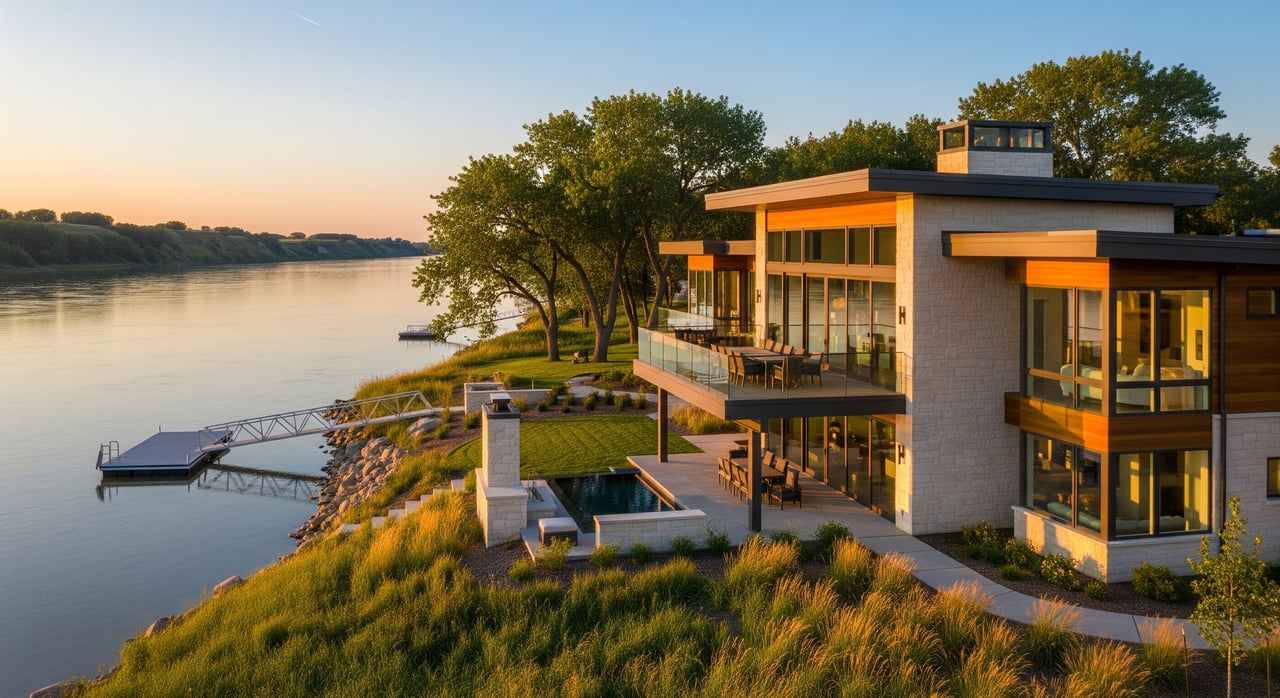
Dreaming of coffee on the deck while the Missouri shimmers below? If you are eyeing a river home in Mandan’s 58554, small details shape your everyday life on the water. From shoreline style to sun and wind, the right features make boating, relaxing and entertaining easier all year. This guide breaks down what to look for so you can match the home to your lifestyle. Let’s dive in.
Mandan river setting at a glance
Mandan sits on the west bank of the Missouri River opposite Bismarck in Morton County. This is a working and recreational stretch with boating, fishing and wildlife viewing throughout the warm months. Winters are cold, and ice often forms in late fall and lasts through much of winter, so most river activities center on late spring through early fall.
The Missouri is large and dynamic, with a maintained navigation channel in many areas. Water depth near shore, seasonal currents and shifting sandbars influence where docks work best and how you access the channel. For site-specific questions, you can consult agencies like the U.S. Army Corps of Engineers, North Dakota Game and Fish Department, the North Dakota State Water Commission and local planning offices in Morton County or the City of Mandan.
Shoreline types and what they mean
Not all waterfront lots feel the same. Your shoreline affects access, views, privacy and maintenance.
Steep bank or bluff
- What it is: Elevated lots with a defined drop to the water.
- Lifestyle: Big views and strong privacy. Great for elevated patios and terraces.
- Tradeoffs: Access to the water often requires a staircase or switchback path. Slope stabilization and erosion control can add cost and upkeep.
Gentle slope or natural beach
- What it is: A gradual, walkable slope with sand or gravel at the edge.
- Lifestyle: Easy day-to-day access for swimming and launching kayaks or paddleboards. Ideal for casual entertaining.
- Tradeoffs: Natural beaches can shift over time and may need periodic touch-ups. More open access can mean more contact with passing recreation.
Riprap or engineered bank
- What it is: Stone riprap, a bulkhead or a retaining structure that stabilizes the bank.
- Lifestyle: Reliable access and an easier place to set docks or lifts. Often lower day-to-day shoreline maintenance.
- Tradeoffs: Requires proper permits and professional installation. The look is more engineered than natural.
Marshy or vegetated edge
- What it is: A wetland fringe with shallow benches and emergent vegetation.
- Lifestyle: Excellent for privacy, wildlife viewing and fishing from shore.
- Tradeoffs: Limited direct access for larger boats without construction. Bugs can be seasonal. Soft conditions may make launching more difficult.
Boathouse or dredged basin
- What it is: A constructed slip, turning area or boathouse with sheltered moorage.
- Lifestyle: Premium convenience for larger boats and year-round storage options.
- Tradeoffs: High permitting needs, higher cost and ongoing sediment management.
Orientation, sun and wind
How a home sits on the river changes your light, comfort and views.
Light and daily use
- East-facing views bring morning light over the water, good for early risers.
- West-facing outlooks deliver sunsets and warm evening light, popular for dinner on the deck.
- South-facing outdoor spaces get more midday sun. North-facing terraces feel cooler and shaded.
Wind and wave exposure
Prevailing winds in the Northern Plains often come from the south or southwest. Wider river stretches create more wave action, which can influence dock design and where you place seating. Wind screens, vegetation and strategic fencing help make patios comfortable on breezy days.
Privacy and view lines
Orientation determines how much passing boat traffic you see and how easily neighbors can see your entertaining areas. Thoughtful landscaping and terraces can frame water views while softening sight lines.
Boat access and dock choices
If boating is a priority, study the moorage options and navigation details before you buy.
Dock types explained
- Floating docks: Rise and fall with water levels and offer flexibility. They usually need removal or winterization before ice season.
- Fixed or piled docks: Stable platforms if depth is consistent and the bank can support piles.
- Boat lifts and covered slips: Protect your vessel and simplify launching. Make sure the lift fits your boat’s length and beam.
- Boathouses: Highest convenience and storage, but expect significant permitting and construction requirements.
Private vs shared moorage
- Private docks offer exclusive access but come with full cost and maintenance.
- Community docks spread expenses and may include slips, parking and shared amenities. Rules, waitlists or assessments may apply.
Depth, channel and navigation
Confirm typical depth near shore, the location of the navigation channel and any dredged turning areas. Depth during low-flow periods matters, especially for larger boats. Pay attention to channel markers, local no-wake areas and seasonal rules managed by federal and state agencies.
Boating season and nearby services
The local boating season typically runs from late spring through early fall when the river is ice-free. Nearby services such as fuel, winter storage, mechanical work, haul-out and winterization can make ownership easier if you prefer minimal on-site maintenance.
Layout tips for trailers and guests
Look for practical space to turn trailers, store gear and park guests’ vehicles. Safe, sturdy paths to the water and year-round contractor access make maintenance smoother.
Seasonal maintenance checklist
Waterfront ownership in 58554 comes with a different rhythm of care. Build these tasks into your plan.
- Dock cycle: Install in spring and remove or winterize in late fall. Inspect piles, cleats, electrical lines, lighting and lifts each season.
- Ice preparedness: Expect freeze–thaw movement. Remove sensitive components, secure structures and check everything again after breakup.
- Shoreline care: Maintain vegetation for stability and views where allowed. Inspect riprap or structures and plan periodic repairs as needed.
- Utilities and systems: Winterize outdoor plumbing, and schedule septic inspections and pumping if not on municipal sewer.
- Pest season: Expect mosquitoes in backwater areas in some years. Yard management and screening help.
- Outdoor features: Maintain staircases, terraces and decks near the shore, which see more wind and moisture.
- Service providers: Dock builders and marine contractors book up early. If you want custom amenities, schedule well ahead.
- Records and inspections: Keep service logs for docks, lifts and shoreline work. This helps with resale and budgeting.
Permits and practical checks
Before adding or modifying waterfront features, verify rules and property details.
- Authorities: Work in or near navigable waters often involves the U.S. Army Corps of Engineers and the North Dakota State Water Commission. Check Morton County or City of Mandan planning for local permits and setbacks. Consult conservation agencies if wetlands are present.
- Property lines and access: Confirm boundaries, easements and any public access corridors. Do not assume exclusive control to the water’s edge without documentation.
- CC&Rs and HOAs: Some subdivisions specify dock styles, setbacks or shared maintenance responsibilities.
- Environmental protections: Shoreline or wetland work can require mitigation. Build in time for approvals.
- Professional help: For major shoreline projects, engage local planners, an attorney familiar with riparian issues and contractors experienced with Missouri River permitting.
Quick buyer checklist
Use this list during showings to align each property with your lifestyle goals.
- Shoreline type: Steep bank, gentle beach, engineered edge or marshy fringe.
- Access: Safe steps or path to the water, and space for a dock or lift.
- Orientation: Morning light vs sunsets, plus wind exposure at patios and docks.
- Moorage: Private dock vs community slips, lift capacity and winterization plan.
- Depth and channel: Typical near-shore depth and proximity to the navigation channel.
- Services: Distance to fuel, storage, mechanics and haul-out.
- Layout: Turning room for trailers, guest parking and storage for gear.
- Maintenance: Seasonal dock work, vegetation care and service provider availability.
- Rules: Required permits, HOA guidelines and any shoreline restrictions.
Ready to find your fit on the Missouri?
You deserve a river home that matches how you actually live, not just how it looks in photos. With deep local roots and construction insight, our team helps you evaluate shoreline type, dock feasibility, sun and wind exposure and the real maintenance needs before you write an offer. If you are considering a Mandan waterfront home in 58554 or nearby, connect with Patrick Koski for local guidance and a clear plan to move forward.
FAQs
What matters most when choosing a Mandan riverfront lot?
- Focus on shoreline type, daily access to the water, orientation for sun and wind, and whether the site can support the dock or lift you want.
Which Mandan shoreline type is best for swimming and small boats?
- A gentle slope or natural beach usually makes day-to-day launches and casual swimming easiest, or pair it with a well-designed dock.
How long is the boating season on the Missouri River near Mandan?
- Most owners enjoy boating from late spring through early fall when the river is ice-free, with winter used for storage and maintenance.
What should I know about floating vs fixed docks on the Missouri?
- Floating docks adapt to water-level changes but are typically removed or winterized before ice; fixed docks are stable but depend on depth and strong foundations.
Who issues permits for docks or shoreline work in Morton County?
- Expect to coordinate with the U.S. Army Corps of Engineers, the North Dakota State Water Commission and local planning offices for city or county approvals.
What services should be near a Mandan waterfront home for convenience?
- Look for fuel, boat storage and winterization, marine mechanics, haul-out options and experienced dock contractors to simplify ownership.