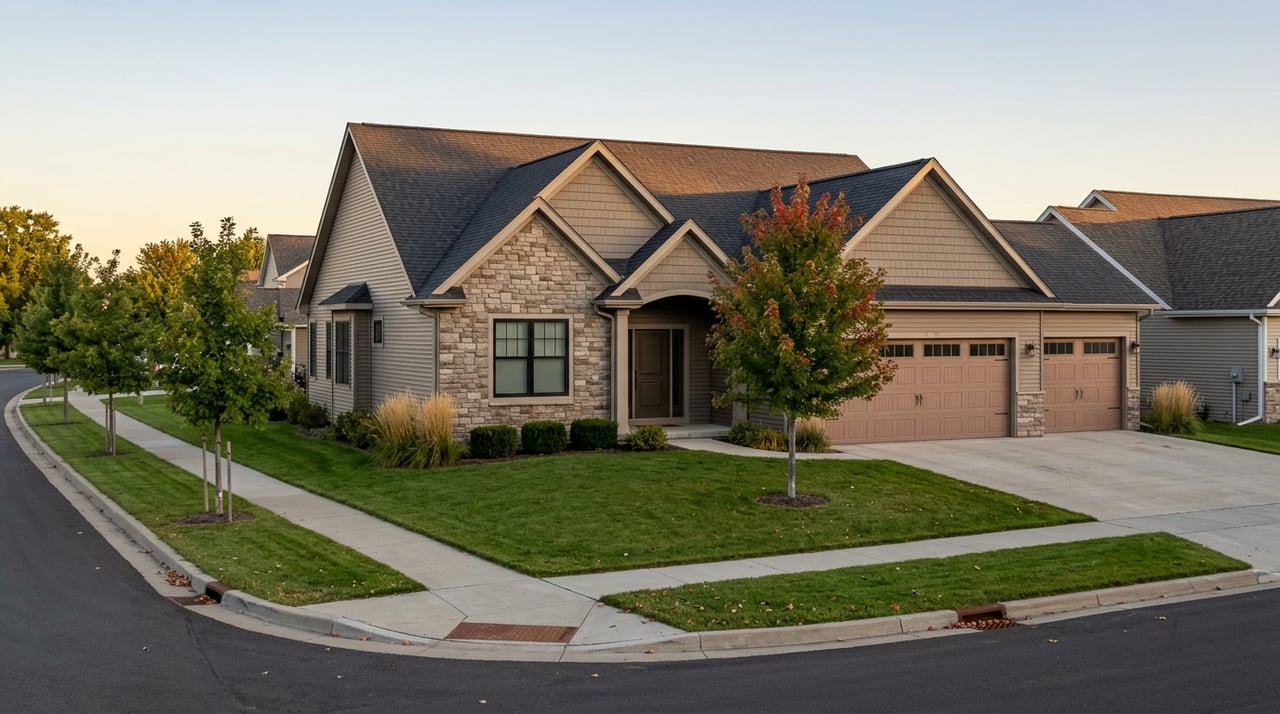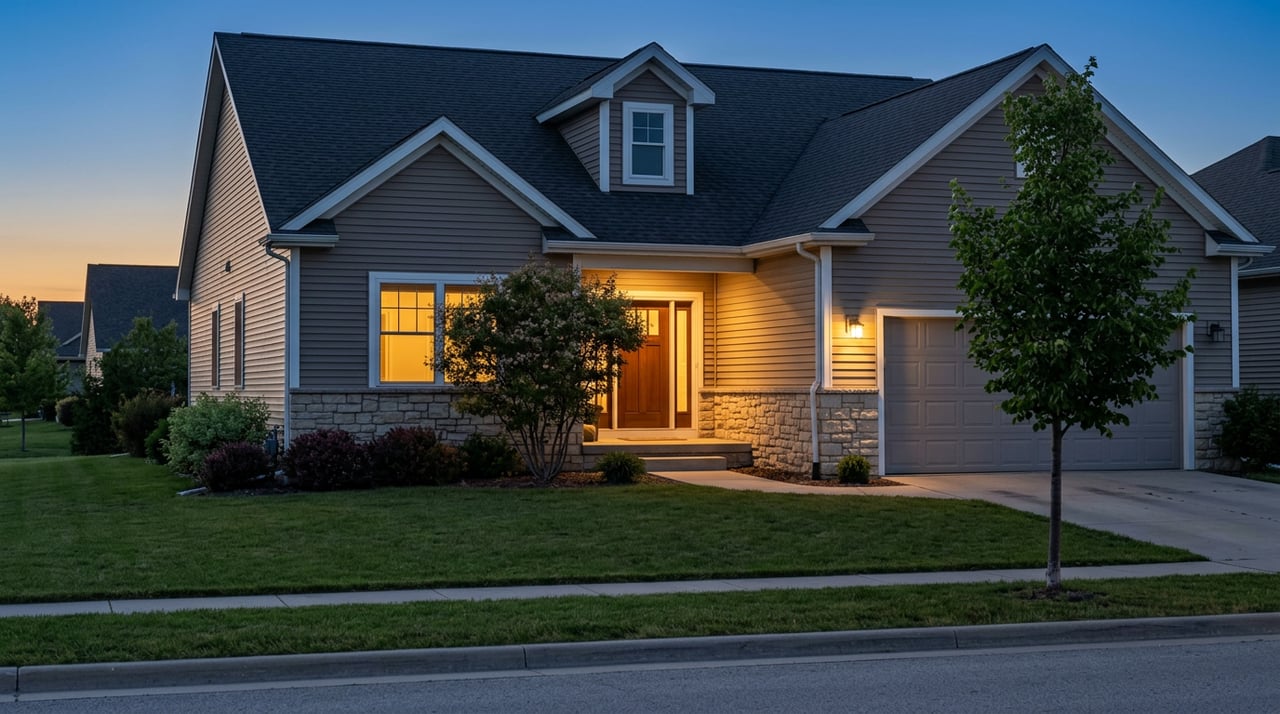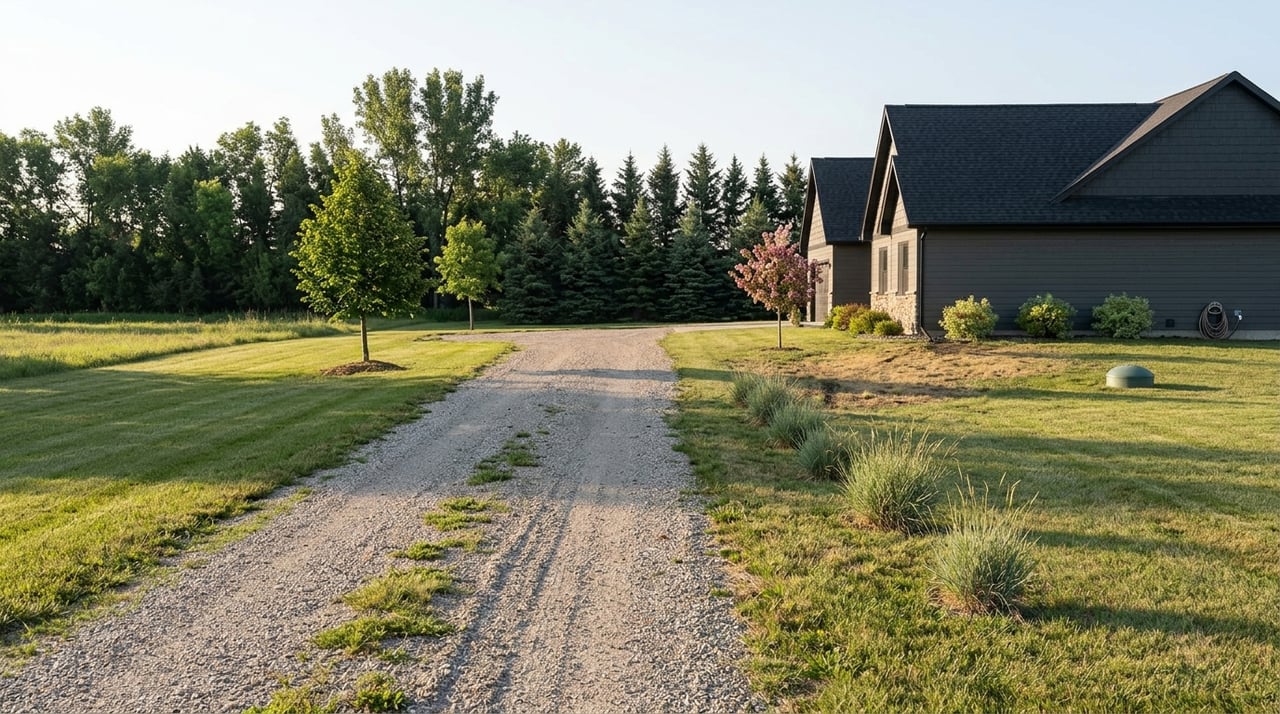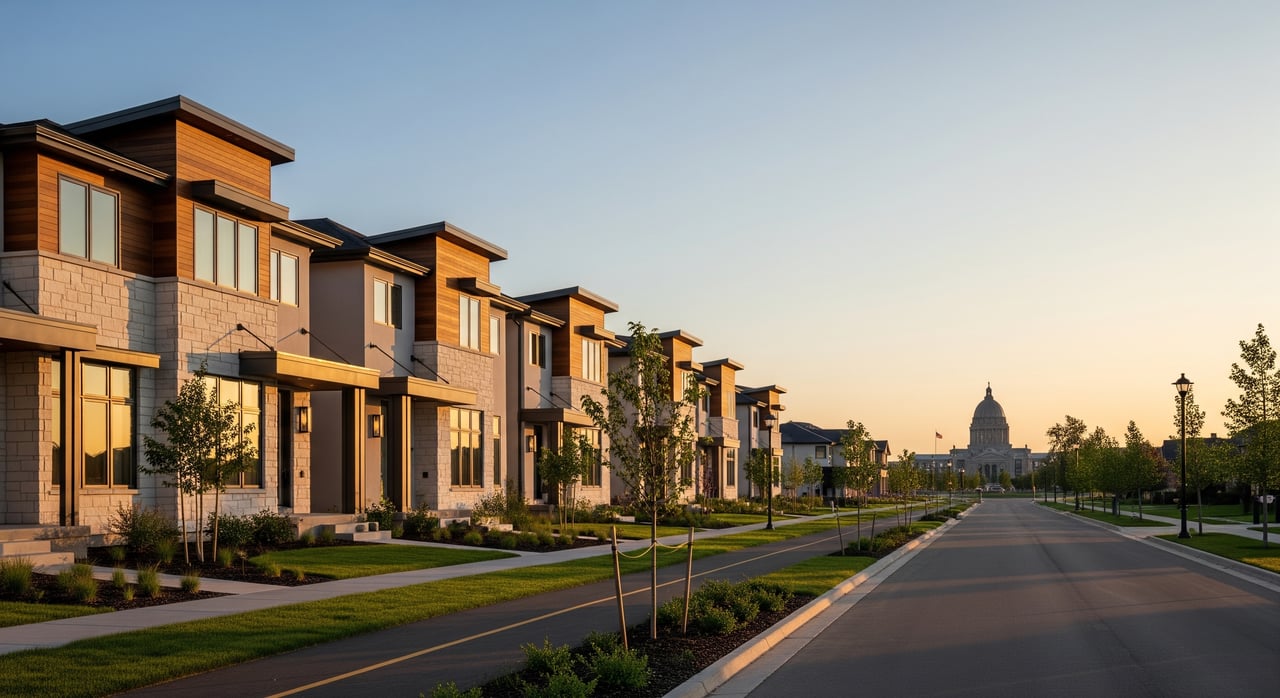
Choosing a new construction neighborhood in Bismarck can feel exciting and a bit overwhelming. You want the right lot, a builder you trust, and a home that holds value over time. In this guide, you’ll learn how to compare neighborhoods side by side, what questions to ask, and how to avoid costly surprises. Let’s dive in.
Start with your priorities
Before you visit model homes, define what matters most. A few minutes here will help you compare options clearly.
- Commute and daily routes: proximity to I-94, north–south arterials, and major employers.
- Lot type: size, backyard usability, and whether you prefer a cul-de-sac or a through street.
- Budget and timeline: base price, upgrades, and whether you need a finished home soon or can build over several months.
- Flexibility: ability to add bedrooms, a larger garage, or home office space.
Compare lots and micro-location
Lot size and buildable area
Look beyond total square footage. Review the plat to see width, depth, setbacks, and any easements that reduce the buildable envelope. Corner and flag lots can change driveway placement, yard privacy, and snow removal needs.
Sun, wind, and topography
South-facing lots can offer brighter interiors and winter sun, while wind exposure on open edges of developments can affect comfort and snow drifting. Flat lots usually cost less to build on. Sloped lots may increase foundation costs but can allow for daylight or walkout basements.
Views, privacy, and future plans
Ask for the developer’s master plan. A lot that backs to open space or a storm pond may feel private today, but check if future phases add roads or homes behind you. Verify who maintains common areas so you know long-term expectations.
Floodplain and soils
Confirm flood status and whether an elevation certificate is required. In our climate, frost depth and soil bearing capacity matter for foundation design. Ask who is responsible for final grading and seeding.
Streets and connectivity
Decide if you prefer a quieter cul-de-sac or quick access to main roads. Look for sidewalks, trails, and safe connections to parks and neighborhood amenities. Consider travel time to downtown, health systems, and state offices.
Check utilities and infrastructure
City water and sewer
Most in-city subdivisions connect to city water and sewer. Early phases or edge-of-city areas may be different. Always confirm with the seller or developer and get it in writing.
Stormwater and drainage
Identify storm ponds or retention basins and learn who handles long-term maintenance. Proper drainage protects yards and basements and can affect resale.
Electric, gas, and internet
Verify electric provider, natural gas availability, and broadband service and speeds. Some edge lots require utility extensions at the buyer’s cost. If you work from home, confirm internet options before you commit.
Street maintenance and snow removal
Ask whether streets are city maintained or private until final acceptance. Snow removal, interim repairs, and street lighting can be handled differently during early phases.
Understand zoning, covenants, and HOAs
Zoning basics
Check permitted uses and nearby planned land uses. If there is future commercial or higher-density residential nearby, consider how that may impact traffic and noise.
Covenants and design rules
Request the CC&Rs. Note minimum square footage, exterior materials, fence and landscape rules, parking and garage requirements, and any rental restrictions. These guidelines can protect neighborhood consistency. They can also limit future choices, so review carefully.
HOA structure and fees
Find out the current monthly or annual fee, what it covers, and whether the HOA is still developer controlled. Ask if there is a reserve study, what services are included, and how compliance is enforced.
Architectural review timelines
If you plan exterior changes, ask how the review process works and typical turnaround times.
Evaluate builders side by side
Reputation and verification
Drive past past projects and ask for a portfolio. Confirm licensing, membership in professional associations, and any awards or references. Ask whether the builder uses consistent subcontractors for quality control.
Standard features vs. upgrades
Get the written standard features sheet and the options price list. Compare windows, cabinets, countertops, flooring, plumbing fixtures, insulation levels, and HVAC. Clarify allowances, decision deadlines, and overage costs.
Energy efficiency and testing
Confirm insulation R-values, window ratings, and HVAC efficiency. Ask about blower-door or duct testing. Do not assume all new homes are equally efficient. Request proof or specs.
Warranties and service
Many reputable builders offer a 1-year limited workmanship warranty, a 2-year systems warranty, and a 10-year structural warranty. Verify exact terms, response times, exclusions, and whether coverage is transferable.
Inspections and oversight
Even with city inspections, consider independent inspections at pre-drywall, post-drywall, and pre-closing stages. Ask for the builder’s final walk-through checklist and timeline for punch-list items.
Budget, financing, and taxes
Price structure and change orders
Builders usually price the lot, the base home, and your upgrades. To compare fairly, separate the lot premium and optional upgrades to see the true baseline. Get the change order policy in writing, including pricing method, deposits, and cutoff dates.
Incentives and loan options
Builders sometimes offer preferred-lender incentives like rate buydowns or closing cost help. Compare those to independent lender offers. If you use FHA, VA, or construction-to-permanent financing, confirm the builder accepts your loan program and any added requirements.
Taxes, assessments, and special districts
New homes can see changing assessments in the first years. Ask how similar homes were assessed recently. Confirm whether there are current or future special assessments for infrastructure.
Resale and long-term value
Floorplan flexibility
Homes with adaptable spaces, an extra bedroom, or a main-floor suite appeal to more future buyers. Flexible designs help you and your resale value.
Garage and storage
In our climate, larger or insulated garages and extra storage get strong interest. Consider oversized or three-stall options if your budget allows.
Energy and operating costs
Efficient windows, higher insulation levels, and modern HVAC reduce monthly bills. Energy-conscious buyers often prioritize these features later.
Curb appeal and materials
Durable exterior materials, covered porches, and thoughtful landscaping support long-term value. Cohesive streetscapes reflect well on the neighborhood.
Neighborhood trajectory
Ask where the community is headed. Planned parks, commercial nodes, and public infrastructure can shape long-term appeal. Rental rules in CC&Rs may also affect your future buyer pool.
Quick comparison worksheet
Use this outline when you put two neighborhoods side by side.
- Lot basics: size, setbacks, buildable area, slope.
- Location: commute time, street type, nearby amenities.
- Utilities: city water and sewer, stormwater, gas, broadband.
- Builder: reputation, standard features, energy specs, warranty.
- HOA and CC&Rs: fees, rules, architectural process.
- Price: base price, lot premium, upgrades, incentives.
- Timeline: phase status, estimated completion window.
- Resale: floorplan flexibility, garage size, exterior materials.
Example: two Bismarck lots
- Inner-subdivision small lot: Close to parks and sidewalks, shorter driveway, lower yard maintenance. Often great for quick snow removal and a sense of community. May have less backyard privacy and tighter setbacks that limit additions.
- Edge-of-development larger lot: Bigger backyard, potential views, more distance from traffic. May face stronger winds and snow drifting, longer utility runs, and the chance that future phases add nearby roads or homes.
Both can be excellent options. The better fit depends on your daily routine, budget, and long-term plans.
On-site checklist for model tours
Bring this list to every appointment.
- Available lots: which phase, what is planned next, and any future changes that could affect character.
- Yard and grading: who seeds, fences, and finishes grading; landscaping timelines.
- Base vs. upgrades: what brand models are included and which items are allowances.
- Energy details: insulation R-values, window U-values, furnace and AC efficiency, and whether blower-door testing was done.
- Warranty: length, coverage, response times, and transferability.
- Timeline: lot prep, build start, completion estimate, and your protections if delayed.
- HOA: fees, covered services, and whether the HOA is developer controlled.
- Easements: location of utilities and any building envelopes.
- Build quality: typical punch-list size and warranty response history.
- Health and comfort: basement insulation and sealing, radon mitigation approach.
- Flood and elevation: confirm elevation certificate if near low-lying areas.
After the visit: verify
- Review FEMA flood maps and county records for flood risk and elevation details.
- Order independent inspections at key stages if you are building.
- Pull recent comparable sales for finished homes in the same or a similar subdivision.
- Confirm current school attendance zones directly with Bismarck Public Schools.
Common pitfalls to avoid
- Assuming every lot has city utilities. Edge-of-city phases can differ.
- Skipping the written options price list. Change orders add up fast.
- Overlooking CC&Rs or HOA rules until after you sign.
- Declining independent inspections because the home is new.
- Underestimating timeline variability from weather, supply chains, and permitting.
Documents to keep
- Signed purchase agreement and addenda.
- Standard features list and upgrade price list.
- Subdivision plat and lot grading plan.
- CC&Rs and HOA budget or meeting notes if available.
- Warranty packet and instructions for claims.
- Permit and inspection records leading to the certificate of occupancy.
Next steps with a local advisor
You do not have to sort this all out alone. A local guide with construction and development experience can help you compare neighborhoods, review CC&Rs, and evaluate builder standards so you feel confident on pricing and timelines. If you want help narrowing your choices or lining up lot and builder tours, reach out to Patrick Koski for local, hands-on guidance.
FAQs
Do Bismarck subdivisions always have city utilities?
- Most in-city subdivisions do, but early phases or edge-of-city areas may not. Always verify water, sewer, and gas before you commit.
Do builders include landscaping in new construction?
- Builders typically provide basic grading and seeding or sod per contract. Trees, irrigation, and mature landscaping are often upgrades.
Are new Bismarck homes energy efficient by default?
- Many meet modern codes, but efficiency varies by builder. Ask for insulation values, window ratings, HVAC efficiency, and any testing results.
How can I compare two builders fairly?
- Separate the lot premium and optional upgrades, then compare the baseline feature sheets, energy specs, structural details, and warranty service track record.
Can CC&Rs affect future resale?
- Well-crafted rules can support neighborhood quality, which can help resale. Overly restrictive rules, including rental bans, may reduce your future buyer pool.