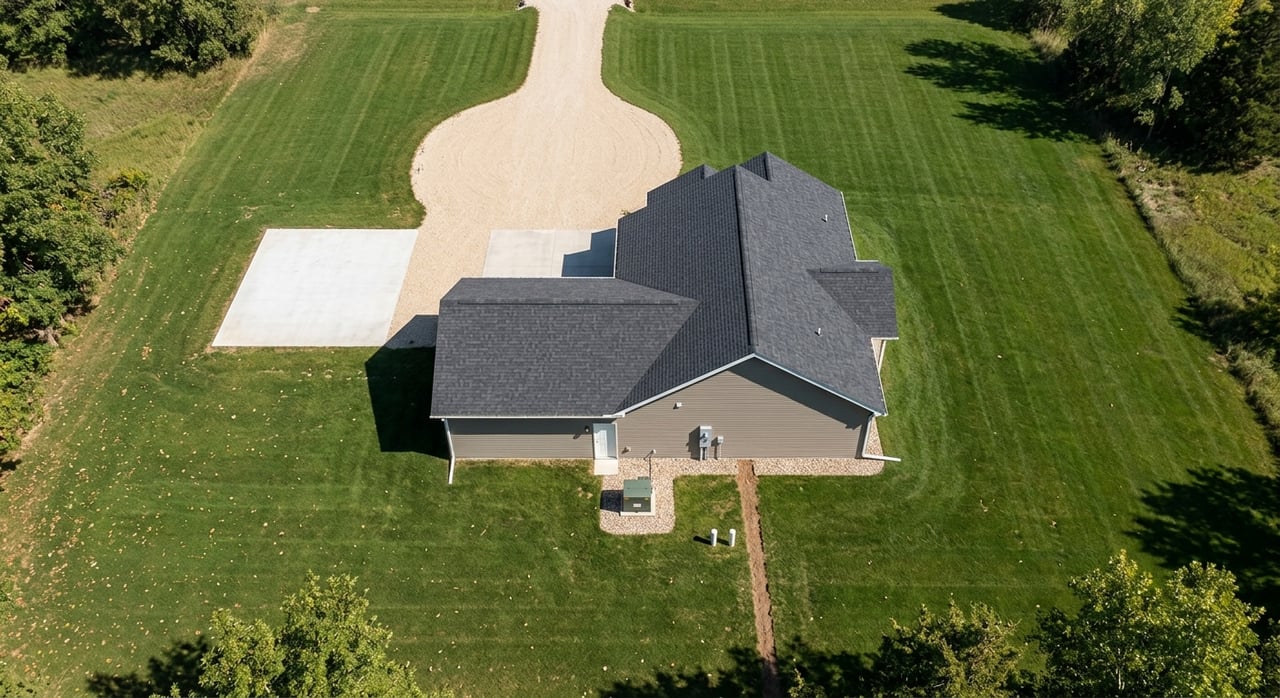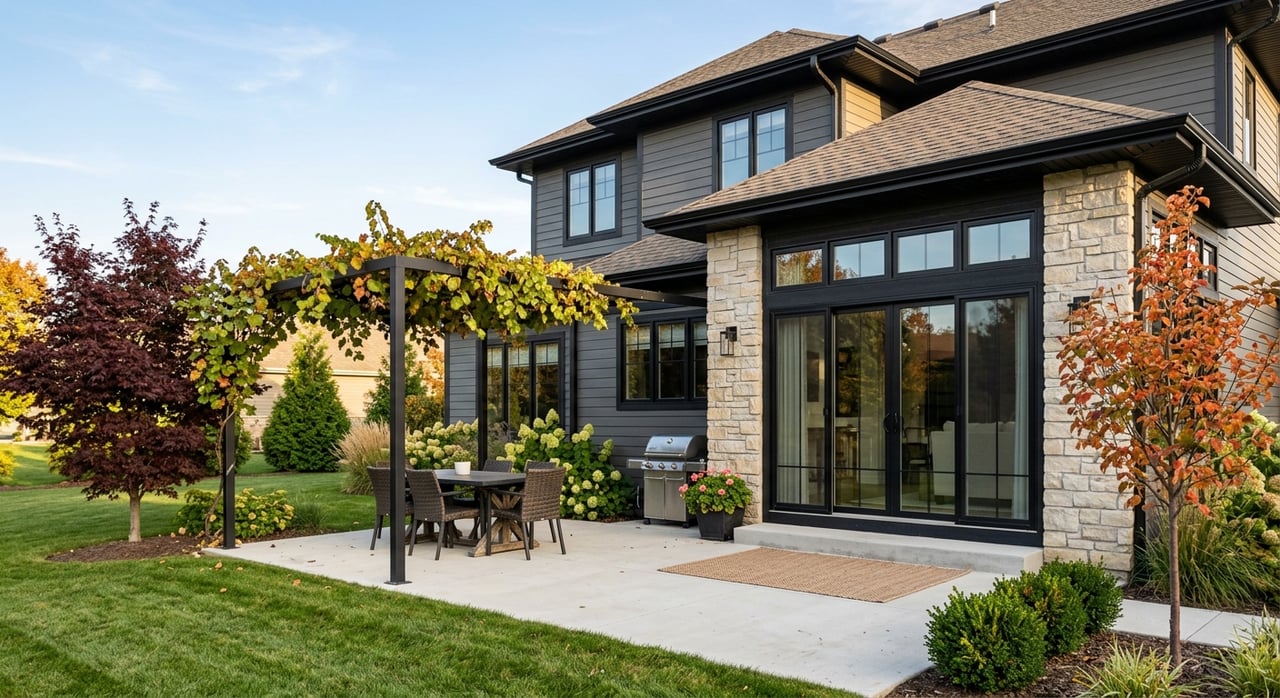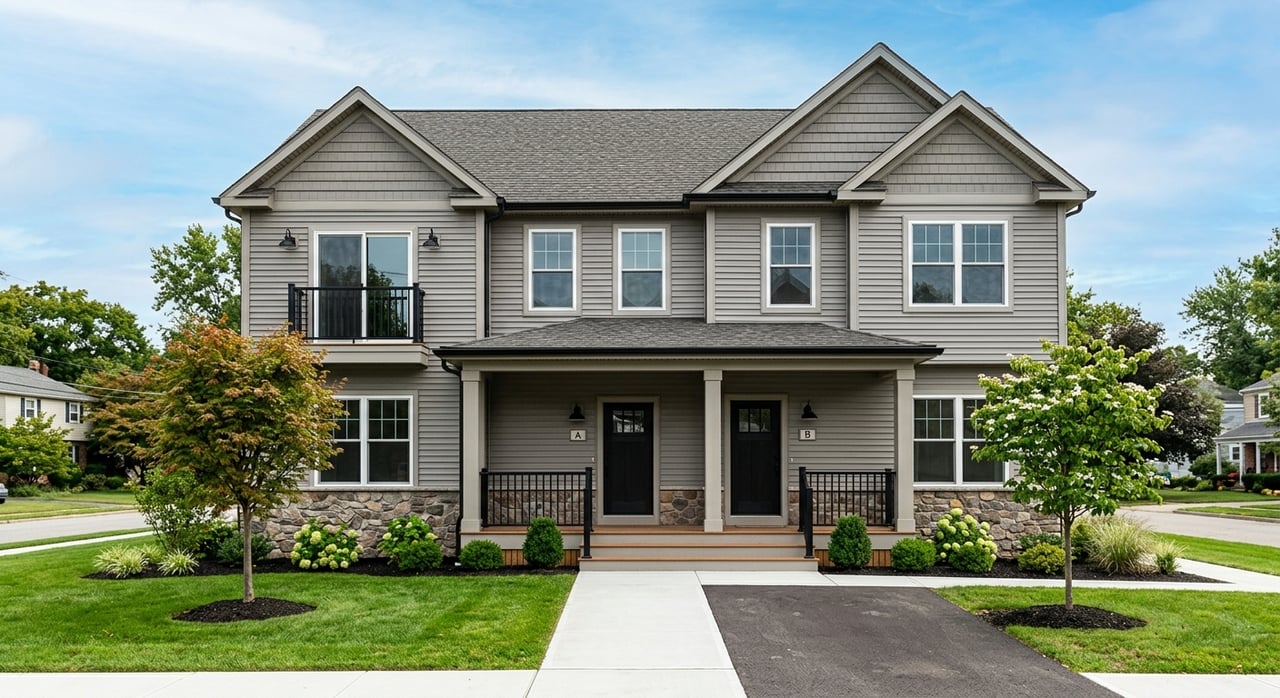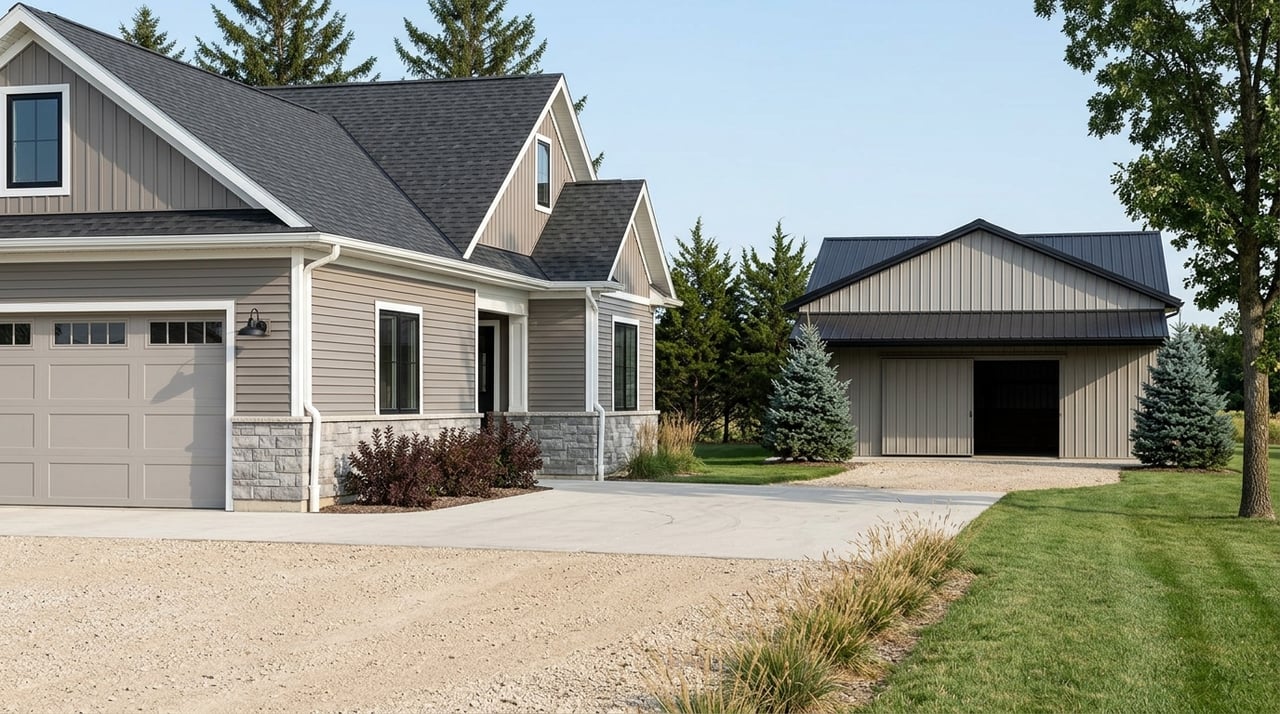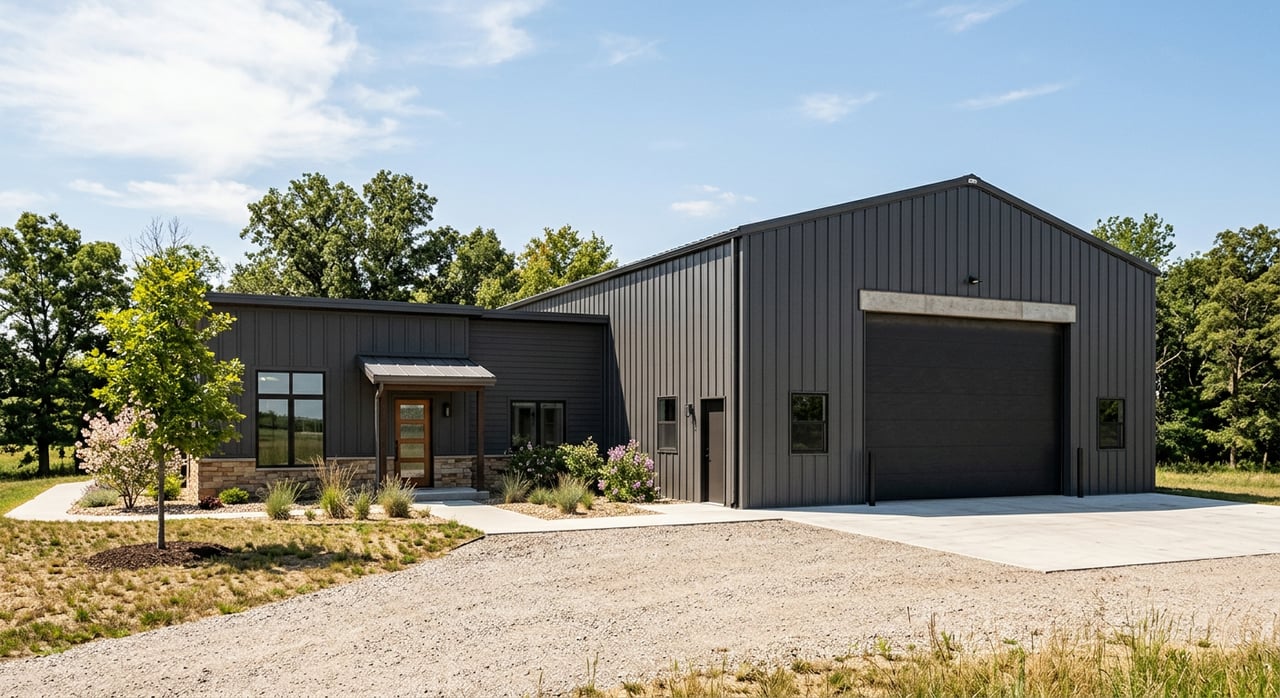
Imagine waking up to a bright, modern living space with a massive, heated shop just steps away. If you want room for tools, toys, and projects on acreage near Mandan, a shop‑house or barndominium can deliver that balance of function and comfort. You may be wondering where to start, what it costs, and which permits you need. This guide walks you through the Mandan and Morton County process so you can move from daydream to doable plan. Let’s dive in.
What a shouse or barndo is
A shop‑house, often called a “shouse,” or a barndominium pairs a large workshop or equipment bay with finished living space in one efficient structure. The shell is usually post‑frame or steel, which allows tall doors, open interiors, and flexible layouts. It is a great fit for rural living where you want equipment storage or hobby space with a home under one roof. For background on the style’s popularity in North Dakota, see this overview of barndominiums in the state from Barndominium.org.
Start with permits and codes
First, confirm who issues permits for your parcel. Inside Mandan city limits, the city handles building inspections. In unincorporated areas, permits and inspections go through Morton County’s building and tax/equalization office. You can start by checking jurisdiction and zoning on the county’s assessor and tax office page.
North Dakota follows a State Building Code based on the I‑Codes. The package was updated with the 2024 editions and the new State Building Code effective date is January 1, 2026. Local offices adopt and enforce the state code, sometimes with local amendments. Before you draw plans, verify which edition applies to your project with the building official listed on the ND Department of Commerce Building Codes page.
Flood status is parcel‑specific. If your land touches a mapped flood area, it can change foundation design and insurance. Run your address through FEMA’s Flood Map Service Center to check your zone before you budget.
If your driveway connects to a county or state road, you may need an approach or access permit. Morton County records and forms often show approach permit numbers. Reach out to the highway or public works office and review the county’s permit records page to understand typical conditions like culverts or sightlines.
Pick the right site
Great shop‑house projects start with smart site selection. Use this working checklist as you evaluate acreage near Mandan:
- Confirm jurisdiction and zoning. Ask whether your intended use and building size are allowed where the parcel sits. Start with the county’s assessor and tax office page for maps and contacts.
- Check FEMA flood maps. If the lot is in a Special Flood Hazard Area, expect added elevation and insurance steps. Use FEMA’s official map viewer.
- Test septic feasibility. Hire a local sanitarian or soils pro to perform a site evaluation and percolation testing. NDSU outlines what to expect in its guide to individual home sewage treatment systems. Clay soils or high groundwater can push you to a mound or alternative system.
- Review well feasibility. Call a licensed driller and ask for area well logs, expected yield, and typical water‑quality tests. The State Board of Water Well Contractors explains licensing and reporting at bwwc.nd.gov.
- Flag soil risks early. Expansive clays and poor bearing soils can impact post‑frame columns or slab performance. Many industry pros recommend engineered soils input where issues are suspected. See this barndominium resource hub at Hansen Pole Buildings for context.
- Plan access and approach. Confirm easements and whether a culvert, sightline clearing, or drainage plan is required. Check Morton County’s permit records page for examples.
- Budget site prep. Clearing, grading, topsoil stripping, and long driveways often rival the shell cost. Steeper, wetter, or heavily treed parcels add time and money.
Build types that work here
Post‑frame and pole‑building shells
Post‑frame structures place treated wood columns on piers or embedded in concrete, then span open bays with trusses or rafters. They are fast to erect, cost‑effective, and ideal for wide, tall shop doors. In cold climates like Morton County, footing depth and soil bearing matter. Discuss frost protection and column support with your builder and inspector. For a state‑level primer on barndominium and shop‑house approaches, see Barndominium.org’s North Dakota page.
Red‑iron steel clear spans
Steel frames deliver strong, open interiors and very large overhead doors. The key is moisture control and insulation. Specify proper vapor and thermal breaks, insulated liners, or spray foam to manage condensation in winter. This industry guide on barndominium costs and building science from Metal‑Building Homes explains why detailing and insulation strategy matter.
Foundations and winter performance
North Dakota winters bring deep frost and snow loads. Your foundation choice depends on soils and code. Many rural shop‑houses use a monolithic slab or frost‑protected shallow foundation, while others need perimeter footings or a full basement. The State Building Code requires foundations and structures that address local frost action and snow or wind loads. Confirm details with your building official and an engineer. The ND Department of Commerce Building Codes page is the place to verify code editions and amendments.
Insulation and air sealing drive comfort and operating costs. Choosing higher R‑values and a tight building envelope reduces heat loss during long cold spells. Ask your builder which energy code edition applies and how they will handle thermal bridging, air sealing, and ventilation in shop spaces that connect to living areas.
Large, low‑pitch roofs and long spans need engineer‑stamped structural plans. Snow drift and wind exposure can be significant on open acreage. This is not the place to skip structural design.
What drives total cost
Total project price is a blend of site, structure, and finishes. The biggest drivers are:
- Site work. Clearing, grading, driveway construction, and drainage often set the tone for the budget.
- Foundation. Slab vs footings or piers, plus any over‑excavation or engineered fill, changes cost.
- Shell type and size. Post‑frame, steel clear‑span, or stick‑frame shells price out differently.
- Insulation and HVAC. Higher R‑values and tight air sealing cost more up front, then save energy over time.
- Utilities. Extending power, drilling a well, installing septic, and bringing telecom service add distance‑based costs.
- Interior finishes and MEP. Kitchens, baths, drywall, and mechanical systems push a shop into full home territory.
Industry guides show wide ranges by region and finish level. Shell‑only or basic structures can be relatively low per square foot, while higher‑end, turnkey living areas often land in the mid‑hundreds per square foot. For planning fences and cost buckets, review this breakdown from Barndo Guru. Use ranges to sketch budgets, then confirm with written local bids.
Your step‑by‑step plan
Use this simple roadmap as you move from idea to action.
Verify jurisdiction and zoning. Get parcel maps and permitted‑use details from the county’s assessor and tax office page. If you are inside city limits, contact Mandan Building Inspections.
Check flood status. Run the address through FEMA’s map viewer. If flood‑mapped, ask about elevation certificates and insurance.
Order a septic site evaluation. Hire a local sanitarian for test pits and percolation. Read NDSU’s septic guide to understand system options and soil limits.
Call a licensed well driller. Review area well logs, expected yields, and water‑quality tests. Learn the basics from the ND Board of Water Well Contractors.
Ask about driveway and approach. Talk with Morton County or the city about access rules and culverts. See typical permit references on the county’s permit records page.
Build a two‑tier budget. Create “shell + basic MEP” and “turnkey living finish” budgets. Include a 10 to 20 percent contingency for site surprises. Use the planning ranges from Barndo Guru to start the conversation, then firm up with local bids.
Interview builders with barndo experience. Ask for local examples, sample foundation details, insulation and condensation control plans, what's excluded from bids, schedules, and warranties. For context on questions to ask and structural nuances, browse the barndominium resources at Hansen Pole Buildings.
Local guidance that saves time
Acreage builds have many moving parts. When you align parcel, permits, and plans up front, you control cost and schedule. With a background in new construction and development, I help you pressure‑test sites, set a realistic budget, and connect with the right Morton County resources before you spend on plans.
If a shop‑house or barndominium near Mandan is on your wish list, let’s map your next steps. Reach out to Patrick Koski for a local consult and a clear path from land search to finished shop‑home.
FAQs
Are shop‑houses allowed near Mandan?
- Zoning and permits depend on location. Inside city limits, contact Mandan Building Inspections. In unincorporated areas, start with Morton County’s assessor and tax office page to confirm zoning and allowable uses.
How do I check if a rural lot is in a flood zone?
- Enter the address or parcel on FEMA’s Flood Map Service Center. Flood status can affect foundation elevation and insurance requirements.
What should I know about wells and septic for rural builds?
- Domestic wells must be drilled by licensed contractors and well reports are filed with the state. Learn more at bwwc.nd.gov. For septic, get a soils/site evaluation first. NDSU’s septic guide explains system types and soil limits.
Do I need a driveway or approach permit in Morton County?
- Often yes for county or state roads. Contact the highway or public works office and review the county’s permit records page to see typical approach permit references and conditions.
How much does a barndominium cost to build?
- Costs vary with site work, shell type, code requirements, and finish level. Industry guides show broad ranges for shells and turnkey builds. For planning ranges and cost buckets, see Barndo Guru’s cost guide and discuss specifics with local builders.