Wondering why one part of Bismarck feels easy to live in without much driving, while another feels built around quick trips by car? That difference is real, and it often comes down to how each area was planned and when it was built. If you are trying to choose the right fit for your lifestyle, it helps to look past labels and focus on how everyday living actually works. Let’s dive in.
How Bismarck neighborhoods are shaped
In Bismarck, neighborhood lines are not always rigid or universally agreed on. The city’s Together 2045 comprehensive plan uses neighborhood names and boundaries as part of its planning process, and that framework helps guide zoning and subdivision decisions.
That matters because the feel of an area is often tied to the city’s planning pattern. In simple terms, Bismarck’s neighborhoods tend to fall into three everyday-living categories: the established core, newer subdivisions, and edge-of-town areas that are still evolving.
Daily life starts with location
Bismarck has a strong citywide baseline for amenities. The park district reports more than 2,700 acres of park land, nearly 100 parks and facilities, and more than 80 miles of trails, while Bis-Man Transit operates a six-route fixed system across Bismarck, Mandan, and Lincoln.
The city also describes the area as having a well-developed bicycle and pedestrian network, relatively extensive sidewalk coverage, and protected travel across the Missouri River. So in many cases, the question is not whether amenities exist. The bigger question is how close you are to the places and routes you use most.
Established core neighborhoods
The established core includes downtown and older traditional neighborhoods shaped before World War II. City planning documents describe these areas as having smaller lots, moderate setbacks, front doors facing the street, garages often placed on alleys or behind homes, narrower streets, and more room for trees and sidewalks.
For everyday living, that usually creates a more compact and connected feel. You may find it easier to get to downtown services, civic buildings, specialty retail, entertainment, and riverfront amenities with shorter trips than you would in other parts of the city.
What daily routines feel like in the core
If you like a neighborhood where destinations are closer together, the core often stands out. The city’s infill plan describes older areas as having many destinations within walking distance and a more mixed pattern of housing and uses.
That can make simple routines feel easier. Grabbing coffee, heading downtown, using nearby sidewalks, or connecting to trails may take less planning when you live closer to the center of the city.
Tradeoffs to expect in older areas
The same features that make the core feel connected can come with tradeoffs. Smaller lots often mean less yard space, and older housing stock may need updates over time.
The city also points to ongoing reinvestment and infill in these areas. In daily life, that can mean more visible renovation activity or change nearby compared with a more recently built subdivision.
Newer subdivisions
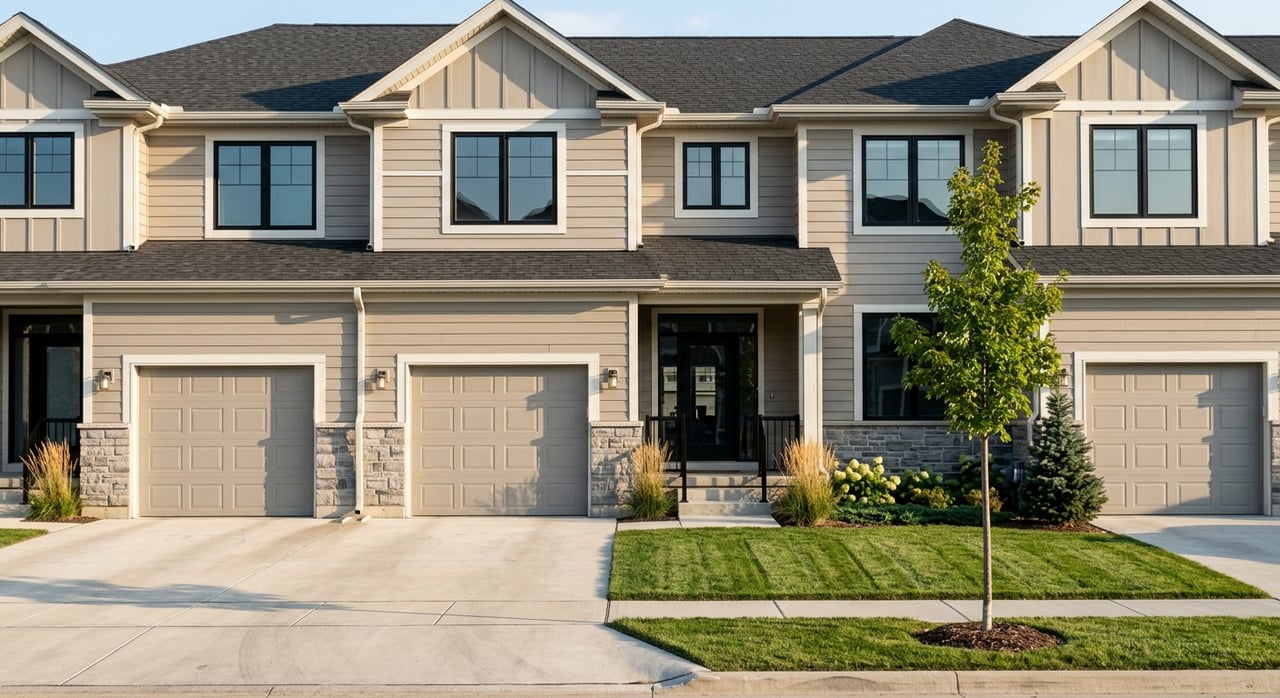
Neighborhoods built after World War II often follow a different pattern. The city notes that by the 1950s, developers began favoring long, winding roads with limited access and fewer route options, which fit suburban development patterns and can reduce cut-through traffic.
That design changes how everyday living feels. In many newer subdivisions, routines are more centered on the driveway, garage, and main arterial roads than on a walk-everywhere pattern.
Why suburban areas feel different
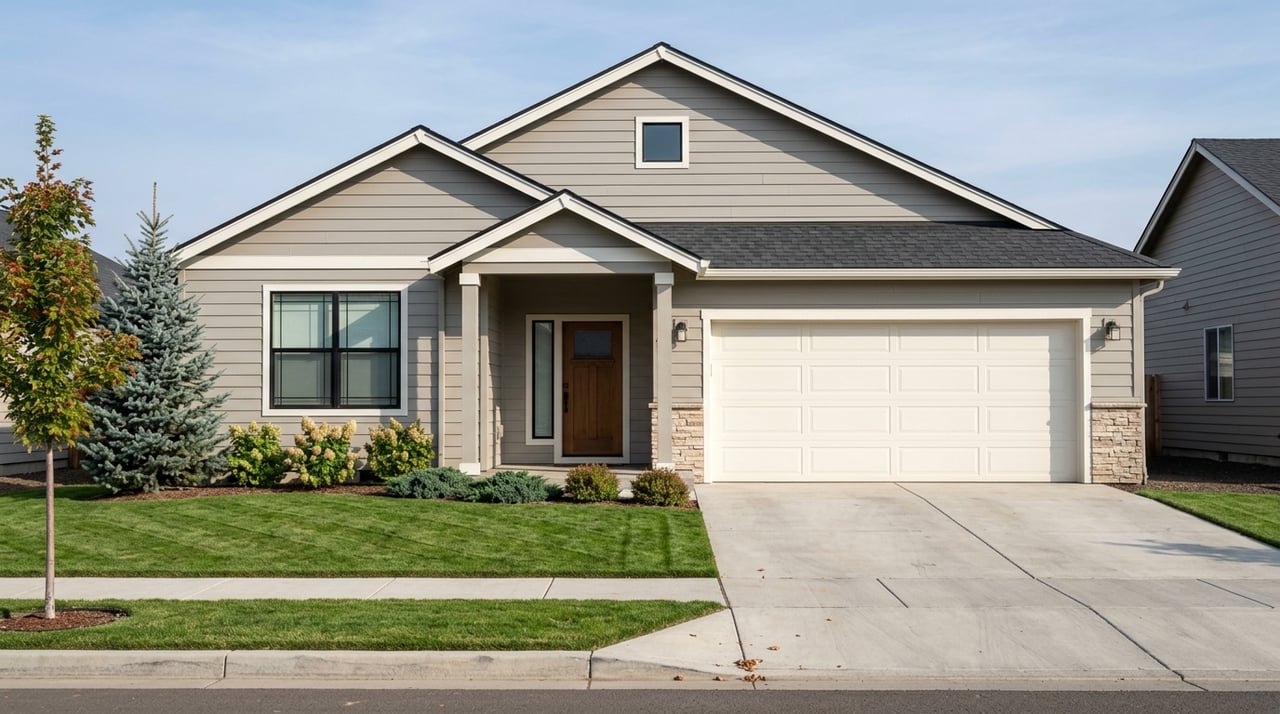
If you picture a more suburban lifestyle, these neighborhoods are usually the clearest match. Street layouts often feel calmer and more uniform, and the city notes that a neighborhood park is designed each time a new urban residential subdivision is created.
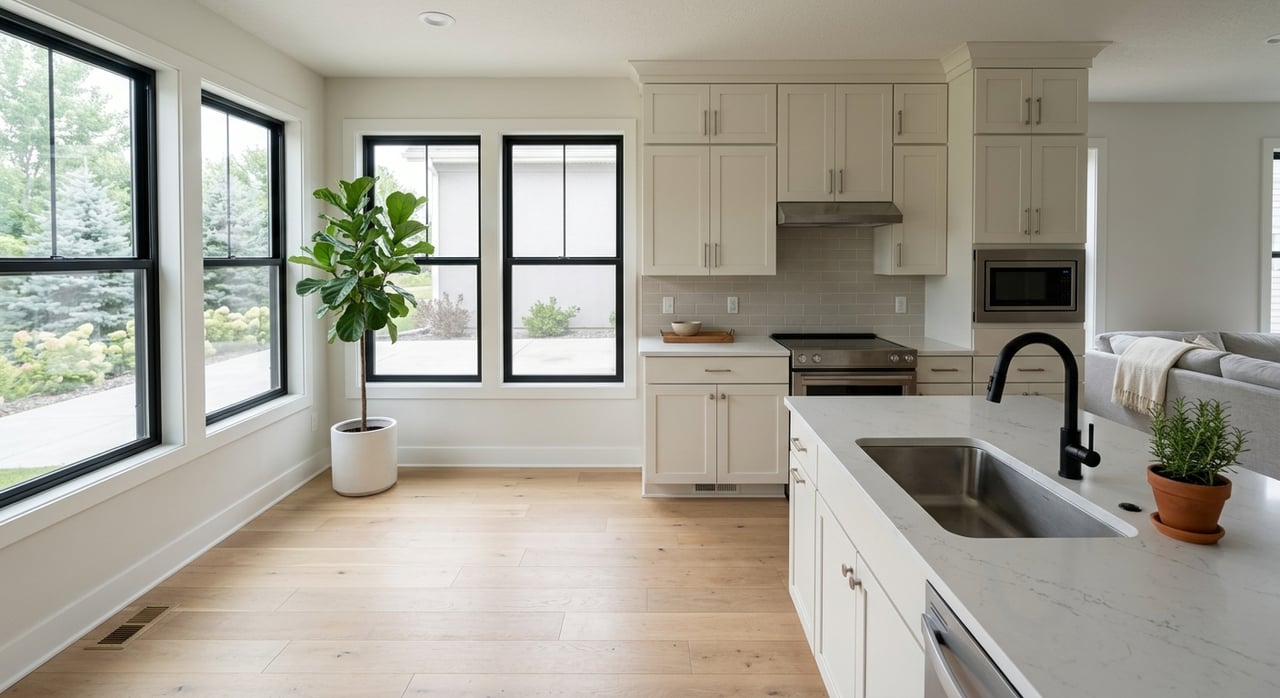
That means newer areas may offer an organized, planned feel with park access built into the neighborhood design. For many buyers, that combination of newer homes, local parks, and easy arterial access is a strong draw.
Convenience versus connectivity
Newer subdivisions can still connect to Bismarck’s broader sidewalk and trail system, which is a real quality-of-life advantage. But compared with the core, these neighborhoods usually offer fewer direct route options and may feel less walkable for daily errands.
Transit is part of the picture too, but the city acknowledges that service is less frequent on many routes than residents might prefer. The farther you are from the core or a transit corridor, the more likely it is that daily living will revolve around driving.
Edge-of-town areas
Some parts of Bismarck sit in a more transitional zone. The city distinguishes between land inside the urban service area, which is expected to urbanize within about 25 years, and land outside it, which may remain rural residential or be reserved for much later growth.
That creates a different everyday experience from both the established core and newer subdivisions. Edge areas can feel partly suburban, partly rural, and still in the process of changing as annexation, platting, zoning, and municipal services catch up over time.
What fringe living can offer
If space and privacy are high on your list, edge-of-town areas may be appealing. These locations often provide a stronger rural feel and can offer a little more breathing room than homes in more built-out parts of the city.
The tradeoff is convenience. In practical terms, these are usually the most car-dependent parts of the market and often the least rich in nearby day-to-day destinations.
Which Bismarck areas feel most walkable?
If walkability is a top priority, the downtown area and older traditional-grid neighborhoods are generally the best fit. The city’s planning documents describe them as compact, pedestrian-oriented, and rich in nearby destinations.
That does not mean every block works the same way, but the pattern is clear. Older grid neighborhoods usually offer the strongest chance of shorter trips on foot and a more connected street layout.
Which areas feel most suburban?
If you want a more suburban feel, newer subdivisions are usually the clearest answer. Their winding roads, limited access points, and subdivision-based design create a different rhythm from the older core.
For many people, that translates into quieter streets and a more car-based routine. It can also mean a more consistent neighborhood layout and newer park planning within residential areas.
Parks, trails, and transit matter everywhere
One of Bismarck’s biggest strengths is that neighborhood choice is not just about the home itself. With nearly 100 parks and facilities, more than 80 miles of trails, and a fixed-route transit system, the city offers a strong base for daily recreation and mobility.
Still, your exact location matters. Two homes can both be in Bismarck and offer very different daily routines depending on how close they are to trails, sidewalks, parks, downtown services, or major streets.
How to choose the right fit
The best neighborhood for you depends on how you want ordinary days to feel. Start by thinking about the routines you repeat most often, not just the features you like during a showing.
Ask yourself questions like these:
- Do you want shorter trips to downtown, civic spaces, and riverfront amenities?
- Do you prefer older neighborhood character and a more connected street grid?
- Would you rather have a newer subdivision feel with planned parks and easier arterial access?
- Is extra space or a more rural setting worth a more car-dependent lifestyle?
- How important are sidewalks, trails, and transit to your weekly routine?
When you look at Bismarck through that lens, neighborhood differences become much easier to understand. You are not just choosing a house. You are choosing the pace, convenience, and feel of everyday life.
If you want help comparing neighborhoods in Bismarck based on your routine, goals, and budget, Patrick Koski can help you narrow down the right fit with local insight and practical guidance.
FAQs
Which Bismarck neighborhoods feel most walkable for everyday living?
- Downtown and older traditional-grid neighborhoods generally feel the most walkable because city planning documents describe them as compact, pedestrian-oriented, and close to more daily destinations.
Which Bismarck neighborhoods feel the most suburban?
- Newer subdivisions usually feel the most suburban because they were designed with winding roads, limited access points, and a more automobile-oriented layout.
Are parks and trails a big factor in Bismarck neighborhoods?
- Yes. Bismarck has more than 2,700 acres of park land, nearly 100 parks and facilities, and more than 80 miles of trails, so access to those amenities can shape daily life in a meaningful way.
Can you live in Bismarck without driving everywhere?
- Sometimes, but it depends heavily on location. Areas closer to downtown or transit corridors usually support less driving, while edge areas and many newer subdivisions tend to be more car-dependent.
How are Bismarck neighborhood boundaries defined?
- They are often shaped by the city’s planning framework rather than by hard, universally agreed borders. The Together 2045 comprehensive plan uses neighborhood names and boundaries as part of its mapping and decision-making process.
What is different about edge-of-town living in Bismarck?
- Edge-of-town areas are often more transitional, with a mix of suburban and rural characteristics. They may offer more space and privacy, but they are usually less convenience-rich and more dependent on driving.